

Buy Prednisone Online – Effective Corticosteroid for Immune System Support
| Product Name | Dosage | Price | Where To Buy |
|---|---|---|---|
| Prednisone (Generic Sterapred, Deltasone) | 5 mg, 10 mg, 20 mg, 50 mg | $47.00 | OnlinePharmacy |
Content:
- Prednisone - Advanced Anti-Inflammatory Therapy for Powerful and Reliable Relief
- Clinical Applications and Mechanism of Anti-Inflammatory Action
- Access to Prednisone - What Patients Should Know
- Medically Supervised Access to Prednisone Therapy
- Pharmacologic Advantages and Patient Outcomes
- Prednisone in the Management of Autoimmune and Inflammatory Disorders
- Effectiveness in Acute Exacerbations and Severe Inflammatory States
- Use of Prednisone in Severe Dental Inflammation and Soft Tissue Edema
- Role of Prednisone in Oral Surgery, Implantology, and Post-Extraction Recovery
- Rapid Symptom Relief After Dental Surgery and Traumatic Procedures
- Dosage Individualization and Safe Tapering Protocols
- Generic Prednisone and Therapeutic Bioequivalence
- Potential Side Effects and Ongoing Clinical Monitoring
- Integrating Prednisone with Long-Term Disease Management Strategies
- Telemedicine Consultations and Prescription Oversight
- Why Prednisone Remains a Key Medication in Modern Anti-Inflammatory Care
Prednisone - Advanced Anti-Inflammatory Therapy for Powerful and Reliable Relief
Prednisone occupies a distinguished position among systemic anti-inflammatory agents thanks to its predictable pharmacologic profile, rapid onset of action, and broad therapeutic applicability. As a synthetic glucocorticoid, it exerts a profound modulatory influence on inflammatory cascades that drive pain, swelling, tissue damage, and functional impairment in a wide spectrum of diseases. This medication is valued for its capacity to stabilize patients in complex clinical scenarios, ranging from acute exacerbations of chronic disorders to severe allergic and inflammatory reactions that demand decisive intervention. Its versatility allows it to be integrated into both short-term and long-term treatment strategies, where it can reshape disease trajectories and restore quality of life in individuals affected by disabling inflammation.
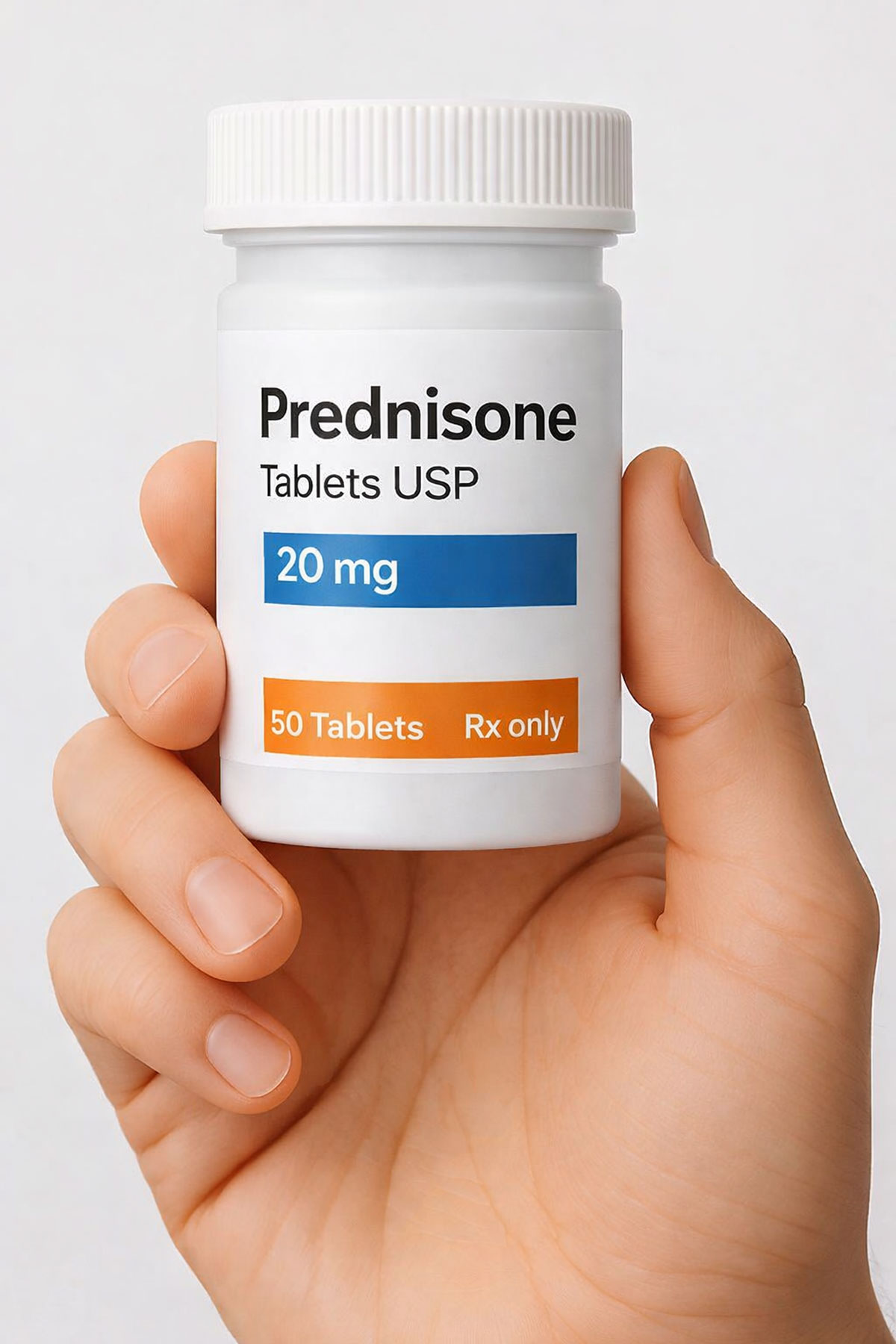
The reputation of prednisone as an advanced therapy arises from its consistent performance across multiple organ systems. In respiratory, rheumatologic, dermatologic, neurologic, and dental contexts, this agent demonstrates a capacity to attenuate immune-mediated tissue injury while rapidly diminishing symptoms that interfere with daily functioning. The drug’s systemic reach enables it to address both local manifestations of inflammation and the underlying immunologic drivers that sustain disease activity. This dual impact makes prednisone particularly valuable in conditions where unchecked inflammation can lead to structural damage, organ dysfunction, or long-term disability. Clinicians frequently rely on its predictable dose–response relationship to tailor regimens to disease severity and individual tolerance.
Another hallmark of prednisone therapy is its ability to deliver reliable relief even in scenarios where other anti-inflammatory options provide insufficient benefit. Nonsteroidal anti-inflammatory drugs and targeted agents have important roles, yet they may not fully suppress intense immune activation or severe edema. Prednisone, by contrast, engages multiple levels of the inflammatory network, dampening cytokine release, leukocyte migration, and vascular permeability. This broad, coordinated suppression can translate into rapid symptom improvement, reduction in hospitalization risk, and prevention of further tissue damage. When used within structured protocols, prednisone often serves as a stabilizing bridge while other disease-modifying therapies are initiated or optimized.
From a practical perspective, prednisone is appreciated for its flexible oral dosing, which supports individualized titration in both outpatient and inpatient settings. Tablets of various strengths enable precise adjustment to changing clinical needs, whether a short, intensive course is required or a more gradual, tapering regimen is planned. The oral route eases integration into complex therapeutic programs, including combination regimens with immunomodulators, biologics, antibiotics, or analgesics. This flexibility allows treatment teams to balance efficacy and tolerability, aligning the intensity of glucocorticoid exposure with the evolving inflammatory burden. When thoughtfully incorporated into comprehensive care, prednisone can play a decisive role in regaining disease control.
Prednisone’s enduring relevance in modern pharmacotherapy reflects decades of real-world experience, robust clinical evidence, and continuous refinement of dosing strategies. While newer targeted molecules attract attention, glucocorticoids such as prednisone remain indispensable where rapid, global modulation of inflammation is required. Their capacity to stabilize acute crises, rescue patients from severe exacerbations, and support complex interventions such as surgery, transplantation, or intensive dental procedures underscores their strategic value. When framed within a well-designed therapeutic plan, prednisone becomes not only a symptom-relieving agent but also a tool that can reshape disease courses, protect organ function, and sustain meaningful daily activity for individuals facing inflammatory and autoimmune challenges.
Clinical Applications and Mechanism of Anti-Inflammatory Action
Prednisone demonstrates impressive breadth of clinical application, extending from classic rheumatologic conditions to pulmonary, dermatologic, neurologic, hematologic, and dental indications. In chronic inflammatory diseases such as rheumatoid arthritis, inflammatory bowel disease, and systemic connective tissue disorders, prednisone can quickly reduce joint swelling, mucosal inflammation, and systemic symptoms such as fatigue and fever. In asthma and chronic obstructive pulmonary disease, systemic prednisone frequently serves as a central component of exacerbation management, reducing airway edema, mucus production, and bronchial hyperresponsiveness. The same agent is also deployed in severe allergic reactions, vasculitides, and various immune-mediated cytopenias, where rapid immune modulation can prevent organ damage and stabilize vital parameters.
The mechanistic foundation of prednisone’s anti-inflammatory action lies in its role as a prodrug that is converted in the liver to prednisolone, the active glucocorticoid. Prednisolone diffuses into cells, binds cytosolic glucocorticoid receptors, and translocates to the nucleus, where the complex influences gene transcription. Through transrepression, it downregulates pro-inflammatory transcription factors such as NF-κB and AP-1, leading to reduced production of cytokines, chemokines, adhesion molecules, and inflammatory enzymes. Through transactivation, it upregulates anti-inflammatory proteins, including annexin A1 and certain inhibitors of inflammatory signaling. This genomic modulation reshapes the inflammatory microenvironment, curbing leukocyte recruitment, vascular leakage, and the propagation of inflammatory signals across tissues.
Beyond genomic effects, prednisone exerts rapid non-genomic actions that contribute to its clinical performance in acute scenarios. These include modulation of cell membrane properties, interference with signal transduction pathways, and rapid effects on circulating immune cells. Neutrophil demargination, lymphocyte redistribution, and stabilization of mast cells and basophils all contribute to decreased acute inflammatory responses and allergic manifestations. At the tissue level, prednisone reduces capillary permeability, limiting exudation and edema, while also diminishing the production of prostaglandins and leukotrienes via upstream suppression of phospholipase A2. This multifaceted mechanism helps explain why prednisone can deliver robust relief in conditions characterized by both immune dysregulation and intense tissue inflammation.
| Dimension | Prednisone | NSAIDs | Targeted Biologics |
|---|---|---|---|
| Primary Site of Action | Genomic and non-genomic effects across multiple immune cell types | Cyclooxygenase inhibition in peripheral tissues | Specific cytokines or receptors (e.g., TNF, IL-6) |
| Onset of Clinical Effect | Hours to 1–2 days for substantial symptom reduction | Within hours for pain and mild inflammation | Days to weeks depending on indication |
| Breadth of Anti-Inflammatory Activity | Broad, multi-pathway immunosuppression | Primarily prostaglandin-mediated pathways | Narrow, pathway-specific modulation |
| Typical Use Context | Acute flares, bridging therapy, severe inflammation | Mild-to-moderate pain and inflammation | Chronic control of defined immune-mediated diseases |
Clinical applications of prednisone often leverage its capacity to function as both a rapid-response agent and a strategic adjunct to long-term therapies. In many chronic autoimmune diseases, prednisone serves as a "bridging" medication, providing symptom relief and disease control while slower-acting disease-modifying agents reach full effect. This approach can prevent irreversible structural damage during the vulnerable early phases of treatment. In hematologic and neurologic diseases such as immune thrombocytopenia or optic neuritis, systemic prednisone can preserve organ function by rapidly suppressing pathogenic immune responses. Its use in dermatologic conditions like severe eczema, bullous disorders, and drug eruptions further highlights its ability to calm widespread inflammation that threatens skin integrity and comfort.
Respiratory and allergic indications showcase prednisone’s capacity to alter disease trajectories when inflammatory processes escalate beyond the reach of topical or inhaled therapies. In eosinophilic asthma, for example, short systemic courses can suppress intense airway inflammation, reduce exacerbation frequency, and restore pulmonary function metrics. In severe urticaria or angioedema, prednisone helps to stabilize vascular permeability and dampen histamine-driven responses, reducing swelling and discomfort. Across these diverse contexts, the shared theme is targeted suppression of runaway inflammation, allowing tissue repair to proceed and functional capacity to recover, while other supportive and disease-specific measures are optimized.
Access to Prednisone - What Patients Should Know
Access to prednisone is shaped by its potent systemic effects, which require thoughtful oversight to balance benefits and potential risks. This medication is widely available in oral formulations of varying strengths, often as generic tablets that support flexible dosing. In many regions, prednisone is classified as a prescription-only drug, reflecting the need for individualized dosing plans, contraindication assessment, and regular evaluation of response. Such regulatory frameworks are designed to ensure that exposure aligns with clinical necessity, minimizing the likelihood of inappropriate long-term use or unsupervised dose escalation. Patients typically encounter prednisone in the context of a clearly defined diagnosis, where its role is integrated into a broader treatment strategy.
Information regarding prednisone access frequently emphasizes the importance of clear communication about existing conditions, concurrent medications, and previous experiences with glucocorticoids. Because the drug interacts with metabolic pathways, immune function, bone health, and cardiovascular status, personal medical history strongly influences dosing choices and monitoring plans. Individuals who have experienced prior courses of prednisone may already recognize its profound symptom-relieving potential, but they may also carry concerns about weight changes, mood fluctuations, or glucose variability. Transparent dialogue about expectations, treatment goals, and anticipated duration of therapy supports a more confident and collaborative approach to prednisone use.
Another dimension of access involves the variety of pharmaceutical presentations available in different healthcare systems. Some regions offer a wide spectrum of tablet strengths, oral solutions, and combination packs designed for tapering courses, while others may provide a narrower range that requires more creative splitting or scheduling. Insurance coverage and reimbursement policies can also influence which specific brands or generic products are dispensed, though therapeutic equivalence among approved generics is generally maintained. Pharmacies often stock prednisone in sufficient quantities due to its central role in emergency, rheumatologic, pulmonary, and dental protocols, which enhances the likelihood that urgent prescriptions can be filled promptly.
The pathway to accessing prednisone is increasingly intersecting with digital health technologies. Electronic prescribing systems, integrated medical records, and remote follow-up tools allow more seamless coordination of treatment courses, laboratory monitoring, and dose adjustments. Individuals living in remote or underserved areas may particularly benefit from these innovations, as they reduce delays between symptom escalation and therapeutic intervention. Online platforms can also provide structured educational materials that explain the rationale for prednisone therapy, typical duration, and parameters that require prompt attention, helping recipients engage more actively in their own care journey while remaining within safe boundaries.
Responsible access to prednisone extends beyond the initial prescription to encompass refill management, adherence support, and long-term planning. When systemic glucocorticoids are required repeatedly or for extended periods, discussions about bone protection, metabolic surveillance, infection risk, and vaccination status gain special relevance. Many individuals appreciate having a clear roadmap that outlines anticipated courses, criteria for dose reduction, and alternative strategies that may reduce reliance on high-dose systemic steroids over time. By embedding prednisone within a structured, forward-looking framework, access transforms from a simple transaction into a coordinated process that sustains therapeutic benefit while proactively addressing safety and quality-of-life considerations.
Medically Supervised Access to Prednisone Therapy
Prednisone’s powerful systemic effects make supervised access a central element of safe and effective therapy. Supervision encompasses more than prescription authorization; it includes tailored dosing, risk stratification, and thoughtful integration with concurrent treatments. Each individual’s inflammatory burden, comorbidities, age, and prior exposure to glucocorticoids influence how prednisone is introduced and adjusted. This personalized approach helps align the intensity and duration of treatment with the underlying condition, whether the goal is rapid suppression of a life-threatening flare or careful control of a chronic autoimmune process. Such oversight fosters a therapeutic environment in which the benefits of prednisone can be fully realized while potential complications are anticipated and mitigated.
Supervised access also involves regular assessment of clinical response and adverse effects. Changes in symptoms such as pain, swelling, dyspnea, or fatigue provide immediate feedback on efficacy, while laboratory parameters and imaging findings contribute objective data on disease activity and organ function. At the same time, surveillance for glucocorticoid-related effects such as glucose elevation, blood pressure changes, mood alterations, and electrolyte shifts informs dose adjustments and supportive measures. By combining subjective experience with objective metrics, supervision transforms prednisone therapy into a dynamic process that adapts to evolving needs rather than a static prescription.
- Structured supervision enables earlier recognition of glucocorticoid-related side effects and timely intervention.
- Coordinated management across specialties supports safe use of prednisone in complex, multi-organ diseases.
- Clear documentation of prior courses and cumulative exposure guides future treatment planning and tapering.
Coordination among different medical disciplines frequently enhances the safety of prednisone therapy, particularly in conditions that span multiple organ systems. For example, individuals with rheumatologic disease and coexisting cardiovascular risk factors benefit from aligned strategies that address both inflammation and cardiometabolic health. Shared records and interdisciplinary discussions help to harmonize glucocorticoid dosing with lipid management, antihypertensive therapy, and bone protection. In oncology, transplant medicine, and complex dental or maxillofacial surgery, prednisone may be combined with cytotoxic agents, biologics, or intensive procedural interventions, making collaborative planning essential for minimizing overlapping toxicities and optimizing outcomes.
Supervised access further extends to patient education and expectation management. Clear explanation of treatment goals, estimated duration, and the rationale for tapering schedules helps reduce anxiety and fosters adherence. Many individuals find it reassuring to know that transient effects such as increased appetite, mild insomnia, or mood shifts are being monitored and can be addressed if they become problematic. When systemic steroids are used for acute flares, supervision also includes planning for transition to maintenance therapies or non-steroidal options once stability is achieved. This forward-looking perspective supports long-term health by preventing unnecessary prolongation of high-dose exposure.
The supervised model of prednisone therapy ultimately enhances trust and therapeutic alliance. Individuals who feel heard, informed, and actively involved in decision-making are more likely to report subtle changes in well-being, adhere to complex tapering regimens, and participate in recommended monitoring. This collaborative environment allows prednisone to be used not as a blunt instrument but as a finely tuned tool within a larger therapeutic arsenal. When supervision is robust and continuous, prednisone can deliver its full anti-inflammatory potential while remaining aligned with the individual’s broader health priorities, lifestyle, and long-term goals.
Pharmacologic Advantages and Patient Outcomes
Prednisone’s pharmacologic profile confers several advantages that translate directly into meaningful clinical outcomes. As an orally active prodrug rapidly converted to prednisolone, it offers reliable systemic exposure with predictable pharmacokinetics in most individuals. This reliability supports precise titration across a wide dosing range, from low physiologic replacement doses to high anti-inflammatory or immunosuppressive regimens. The drug’s relatively short-to-intermediate half-life enables once-daily or divided dosing strategies tailored to disease patterns, such as morning administration to approximate circadian rhythms or split dosing in severe flares. These features allow treatment teams to shape regimens that maximize anti-inflammatory impact while limiting unnecessary exposure.
The broad pharmacodynamic reach of prednisone is another major advantage. By modulating multiple arms of the immune response, it can rapidly suppress complex inflammatory cascades that might otherwise require combinations of several narrower agents. This multi-target action is particularly valuable in acute scenarios where time-sensitive control of inflammation is necessary to prevent irreversible tissue injury. For example, in severe asthma exacerbations or acute autoimmune neurologic events, prednisone can reduce airway or neural inflammation swiftly enough to avert prolonged hospitalization or permanent functional loss. The same broad action aids in conditions with overlapping mechanisms, such as mixed connective tissue disease or systemic vasculitis, where single-pathway inhibitors may be insufficient.
From the perspective of outcomes, prednisone often delivers impressive symptomatic relief that restores day-to-day function. Individuals experiencing intense joint pain, disabling dyspnea, or widespread cutaneous inflammation frequently report marked improvement within days of initiating therapy. This rapid change can facilitate return to work, improved sleep, increased mobility, and renewed participation in social and family life. In many chronic conditions, such early gains provide psychological encouragement, reinforcing adherence to longer-term disease-modifying regimens that may have slower onset. The capacity of prednisone to break cycles of pain, fatigue, and immobility can therefore have cascading benefits that extend beyond direct anti-inflammatory effects.
Long-term outcomes with prednisone are shaped by judicious dosing and integration with other therapies. When used in carefully calibrated courses, prednisone can help maintain disease control while allowing steroid-sparing agents, such as methotrexate or biologics, to assume the primary role in long-term suppression. This staged approach can reduce cumulative glucocorticoid exposure, thereby lowering the risk of chronic complications such as osteoporosis, metabolic syndrome, or cataracts. At the same time, the availability of prednisone as a rescue option for flares provides a safety net that can prevent small deteriorations from escalating into major relapses. This layered strategy contributes to more stable disease trajectories and fewer disruptive exacerbations.
Pharmacologic advantages also extend to cost-effectiveness and accessibility. Generic prednisone is widely available at relatively low cost, making it an indispensable tool in resource-limited settings and in health systems that must manage chronic inflammatory diseases at scale. When combined with structured monitoring and preventive measures, the drug’s affordability enables broad access to potent anti-inflammatory therapy without overwhelming financial burden. This economic dimension enhances equity in care, allowing individuals across diverse socioeconomic backgrounds to benefit from a medication capable of dramatically improving symptoms, preserving organ function, and safeguarding long-term quality of life.
Prednisone in the Management of Autoimmune and Inflammatory Disorders
Prednisone plays a central role in the management of many autoimmune and inflammatory disorders, where dysregulated immune responses target self-tissues and drive chronic damage. In conditions such as systemic lupus erythematosus, rheumatoid arthritis, polymyalgia rheumatica, and vasculitides, prednisone can rapidly suppress the immune activity responsible for joint destruction, vascular inflammation, and organ involvement. This swift suppression is especially valuable during disease flares, when unchecked inflammation may threaten kidneys, lungs, nervous tissue, or other vital structures. By reducing cytokine storms and autoantibody-mediated injury, prednisone offers a protective window during which more targeted long-term therapies can be optimized.
In autoimmune disorders, prednisone is often integrated into structured treatment algorithms that balance efficacy with safety. High-dose regimens may be employed for induction of remission in severe disease, followed by gradual tapering to the lowest effective maintenance dose or complete discontinuation once alternative agents achieve control. This strategy recognizes both the power and the potential risks of prolonged glucocorticoid exposure. Disease-modifying antirheumatic drugs, biologics, and small-molecule inhibitors often function as steroid-sparing partners, allowing prednisone doses to be reduced without sacrificing disease control. By orchestrating this interplay, treatment plans harness the rapid benefits of prednisone while aiming to minimize long-term adverse effects.
- In systemic vasculitis, prednisone reduces vessel wall inflammation and prevents ischemic complications.
- In inflammatory myopathies, prednisone improves muscle strength by attenuating immune-mediated fiber damage.
- In autoimmune hemolytic anemia, prednisone curbs antibody-driven red cell destruction and stabilizes hemoglobin levels.
Prednisone also has a critical function in neurologic autoimmune diseases such as multiple sclerosis relapses, optic neuritis, and certain forms of autoimmune encephalitis. In these settings, inflammation within the central nervous system can lead to rapid and potentially irreversible deficits. Short, intensive courses of systemic steroids, sometimes followed by oral prednisone tapers, can shorten relapse duration and improve functional recovery. Similar principles apply in ocular autoimmune diseases like uveitis, where prompt suppression of intraocular inflammation helps preserve vision. These applications highlight prednisone’s ability to protect highly sensitive tissues from sustained immune attack.
Dermatologic autoimmune and inflammatory diseases also benefit from systemic prednisone in selected scenarios. Severe psoriasis, bullous pemphigoid, pemphigus vulgaris, and extensive eczema may all involve widespread skin involvement with intense pruritus, pain, and risk of secondary infection. Systemic prednisone can reduce blistering, erythema, and erosions, allowing skin barrier function to recover. While long-term monotherapy is generally avoided, carefully controlled courses can bridge to topical regimens, phototherapy, or systemic immunomodulators with more favorable chronic safety profiles. This bridging function is particularly valuable when rapid cutaneous improvement is required to restore comfort and reduce hospitalization risk.
Across the spectrum of autoimmune and inflammatory disorders, prednisone’s contribution is characterized by strategic timing, dose precision, and synergy with other therapies. When applied thoughtfully, it can transform acute, organ-threatening flares into manageable episodes and stabilize chronic disease courses that would otherwise erode function and quality of life. The key lies in integrating prednisone into individualized plans that respect both the urgency of immune suppression and the long-term need to safeguard bone health, metabolic balance, and psychological well-being, ensuring that its remarkable anti-inflammatory power is harnessed with clarity and foresight.
Effectiveness in Acute Exacerbations and Severe Inflammatory States
Prednisone is renowned for its effectiveness in acute exacerbations of chronic diseases and in severe inflammatory states that demand rapid intervention. In asthma and chronic obstructive pulmonary disease, systemic glucocorticoids are a mainstay of exacerbation management, where they reduce airway edema, improve airflow, and decrease the likelihood of hospitalization or mechanical ventilation. In these scenarios, prednisone acts quickly to blunt the inflammatory surge triggered by infections, allergens, or environmental irritants. Comparable benefits are seen in acute flares of inflammatory bowel disease, where systemic steroids can calm mucosal inflammation, reduce bleeding and diarrhea, and avert the need for urgent surgery in many cases.
Severe systemic inflammatory states, such as those associated with connective tissue disease flares, vasculitic crises, or certain drug reactions, also respond robustly to prednisone. In these conditions, the immune system’s overactivation threatens multiple organs simultaneously, manifesting as fever, rash, arthralgia, organ dysfunction, and laboratory markers of intense inflammation. Prompt initiation of systemic steroids can arrest this process, stabilizing hemodynamics, protecting renal function, and preventing progression to irreversible damage. Prednisone’s broad immunomodulatory reach allows it to dampen the activity of T cells, B cells, macrophages, and other effector cells, thereby restoring a more controlled immune environment.
In the context of acute neurologic and rheumatologic emergencies, prednisone often forms part of high-intensity regimens designed to preserve function in critical tissues. For example, in severe optic neuritis or transverse myelitis, systemic steroids can reduce spinal cord or optic nerve inflammation, improving the odds of visual and motor recovery. In rapidly progressive vasculitis affecting kidneys or lungs, prednisone is commonly combined with additional immunosuppressants to halt vessel wall destruction and capillaritis. These regimens are carefully structured to deliver high doses initially, followed by systematic tapering as inflammation recedes and adjunctive therapies take effect.
| Acute Scenario | Primary Prednisone Benefit | Typical Clinical Goal | Adjunctive Measures |
|---|---|---|---|
| Asthma or COPD exacerbation | Reduction of airway edema and inflammatory cell infiltration | Prevent hospitalization and restore baseline respiratory function | Bronchodilators, oxygen therapy, infection management |
| Severe inflammatory bowel disease flare | Rapid suppression of mucosal inflammation | Control bleeding, diarrhea, and abdominal pain | Nutritional support, biologics, infection screening |
| Vasculitic crisis | Dampening of vessel wall inflammation and necrosis | Preserve renal and pulmonary function | Cytotoxic agents, plasmapheresis in selected cases |
| Optic neuritis or spinal cord relapse | Reduction of neural tissue edema and demyelinating inflammation | Maximize visual or motor recovery | Rehabilitation, disease-modifying therapies |
Acute dermatologic emergencies such as severe drug eruptions, extensive urticaria, or angioedema also highlight prednisone’s effectiveness. In these states, rapid control of cutaneous and subcutaneous inflammation can relieve distressing symptoms and reduce the risk of systemic involvement. Systemic steroids can decrease erythema, pruritus, and swelling, while complementary measures address triggers and prevent recurrence. In selected cases of severe allergic reactions, prednisone may form part of a broader protocol that includes antihistamines, epinephrine, and supportive care, helping to stabilize the inflammatory component of the reaction after immediate life-saving steps are taken.
Across all these acute scenarios, the key to leveraging prednisone’s effectiveness lies in timing, dose selection, and careful monitoring. Early initiation at appropriate doses can dramatically alter the trajectory of an exacerbation, shortening its duration and preventing complications. At the same time, thoughtful planning for tapering and transition to maintenance strategies reduces the likelihood of rebound flares or unnecessary prolonged exposure. By embedding prednisone within well-defined acute care pathways, treatment teams can harness its capacity to rapidly restore stability while paving the way for sustainable long-term control.
Use of Prednisone in Severe Dental Inflammation and Soft Tissue Edema
Severe dental inflammation and soft tissue edema can cause intense pain, impaired function, and significant aesthetic concerns. Prednisone offers a systemic option for modulating the inflammatory response in complex dental scenarios, particularly when local measures alone do not provide adequate relief. In cases of extensive periapical inflammation, severe periodontal flares, or traumatic injury to oral structures, systemic glucocorticoids can reduce tissue swelling, alleviate pressure-related pain, and facilitate oral hygiene measures. This is especially relevant when edema affects the floor of the mouth, cheeks, or lips, where swelling can interfere with speech, mastication, and even airway patency in extreme cases.
In the dental setting, prednisone is often considered when inflammation extends beyond localized tissue boundaries or when systemic manifestations accompany oral pathology. For example, in severe odontogenic infections with marked facial swelling and trismus, systemic steroids may be employed alongside antibiotics and surgical drainage to accelerate resolution of edema and improve mouth opening. By reducing inflammatory exudate and capillary permeability, prednisone can help decompress affected compartments, enhancing comfort and enabling more effective local treatment. Such synergy between systemic and local approaches underlines the value of glucocorticoids as adjuncts rather than stand-alone solutions.
- In acute periapical abscesses with extensive soft tissue swelling, prednisone can shorten the course of painful edema.
- In traumatic injuries to oral soft tissues, systemic steroids may reduce inflammation and facilitate functional recovery.
- In selected cases of severe temporomandibular joint inflammation, prednisone can help restore mandibular mobility.
Prednisone’s role extends to managing inflammatory reactions following dental procedures in individuals with heightened inflammatory responses. Following complex extractions, extensive periodontal surgery, or implant placement, some patients experience disproportionate swelling, stiffness, and pain. Short systemic courses of prednisone can modulate this response, limiting postoperative edema and improving the ability to perform oral hygiene and maintain nutrition. In this way, prednisone contributes not only to comfort but also to the prevention of secondary complications that might arise from impaired cleaning or reduced oral intake.
Special consideration is given to individuals with pre-existing systemic inflammatory or autoimmune diseases undergoing dental treatment. These patients may enter procedures with a primed immune system that reacts vigorously to tissue trauma, leading to exaggerated swelling and discomfort. In such contexts, prednisone can serve as a bridge to maintain control of the underlying condition while also mitigating local oral inflammation. Coordination between dental and medical teams ensures that dosing and timing of systemic steroids align with broader disease management plans, minimizing the risk of adrenal suppression or interactions with other immunomodulatory therapies.
Careful selection of indications, dosing, and timing allows prednisone to be used effectively and safely in dental inflammation and soft tissue edema. When integrated into comprehensive dental care that includes appropriate antimicrobial therapy, surgical management, and meticulous local measures, systemic steroids can significantly improve short-term outcomes. This includes faster reduction of swelling, earlier return to normal oral function, and enhanced patient satisfaction with the overall treatment experience, especially after complex or traumatic dental interventions.
Role of Prednisone in Oral Surgery, Implantology, and Post-Extraction Recovery
Prednisone has gained a respected role in oral surgery and implantology as a systemic adjunct for managing postoperative inflammation, edema, and pain. Surgical interventions in the oral and maxillofacial region often provoke robust inflammatory responses due to rich vascularization, dense innervation, and the presence of microbial flora. While this response is part of normal healing, excessive inflammation can translate into severe swelling, trismus, and discomfort that impair nutrition, speech, and oral hygiene. Judicious use of systemic prednisone in selected cases can moderate this response, leading to smoother postoperative courses and improved functional recovery.
In implantology, controlling peri-implant inflammation during the early healing phase is particularly valuable. Excessive edema or inflammatory exudate can compromise soft tissue closure, increase patient discomfort, and complicate hygiene around the surgical site. Short systemic courses of prednisone, often combined with local measures such as cold application and non-opioid analgesics, can reduce soft tissue tension and swelling. This environment supports more predictable osseointegration and soft tissue adaptation, which are crucial for long-term implant stability and esthetic outcomes. By reducing postoperative morbidity, prednisone can also enhance patient confidence in complex implant procedures.
Post-extraction recovery, especially after removal of impacted third molars or multiple teeth, is another area where prednisone demonstrates value. These procedures frequently produce significant swelling of the cheeks and submandibular region, leading to difficulty in opening the mouth, chewing, and maintaining oral hygiene. Systemic steroids can diminish the magnitude and duration of this swelling, allowing earlier return to a normal diet and more effective cleaning of the extraction sites. This reduction in edema may also lower the risk of complications such as wound dehiscence or food impaction, which can prolong healing and increase discomfort.
| Surgical Context | Prednisone Objective | Key Benefits | Complementary Measures |
|---|---|---|---|
| Dental implant placement | Limit peri-implant soft tissue edema | Improved comfort, easier hygiene, better soft tissue contour | Antiseptic rinses, analgesics, careful suturing |
| Impacted third molar extraction | Reduce facial swelling and trismus | Earlier return to normal diet and function | Cold packs, NSAIDs, meticulous surgical technique |
| Extensive periodontal or flap surgery | Control postoperative inflammatory response | Less discomfort, improved wound stability | Local hemostasis, chlorhexidine rinses, suture management |
| Orthognathic or complex maxillofacial surgery | Mitigate massive soft tissue edema | Enhanced airway safety and facial comfort | Inpatient monitoring, nutritional support, physiotherapy |
In more extensive maxillofacial procedures, such as orthognathic surgery or reconstructive operations, prednisone can contribute to managing the substantial edema that often follows major tissue manipulation. Swelling in these cases may affect not only appearance and comfort but also airway patency and the stability of osteosynthesis. Systemic steroids, integrated into perioperative protocols, can limit peak edema and accelerate its resolution, supporting safer recovery and more predictable functional outcomes. When combined with careful fluid management, positioning, and physiotherapy, prednisone becomes part of a multifaceted strategy to optimize postoperative care.
The role of prednisone in oral surgery and implantology is defined by selective use, clear indications, and close coordination with local measures. By targeting the inflammatory component of postoperative morbidity, systemic steroids can significantly enhance the recovery experience without interfering with the fundamental processes of tissue repair when used in appropriate doses and durations. This careful integration allows oral and maxillofacial interventions to proceed with greater comfort, reduced downtime, and higher satisfaction, particularly in complex or multi-stage treatment plans.
Rapid Symptom Relief After Dental Surgery and Traumatic Procedures
Dental surgery and traumatic procedures often generate intense, short-term symptoms that can significantly disrupt daily life. Pain, swelling, and limited jaw mobility are common sequelae that affect eating, speaking, and sleep. Prednisone, through its systemic anti-inflammatory action, offers a means to accelerate symptom relief in carefully selected cases. By dampening the inflammatory cascade triggered by tissue manipulation, it reduces the production of inflammatory mediators that sensitize nociceptors and promote edema. This reduction helps to lower pain intensity and tissue tension, making the immediate postoperative period more tolerable and functional.
Rapid symptom relief is particularly valued after procedures such as impacted tooth removal, extensive bone contouring, or management of dental trauma involving soft tissue lacerations and fractures. In these scenarios, local anesthetics and non-opioid analgesics provide important baseline control, but systemic steroids add another layer of benefit by addressing the underlying inflammatory drivers. Prednisone can shorten the time to comfortable mouth opening, decrease the need for stronger analgesics, and reduce nocturnal pain that interferes with rest. These improvements can translate into smoother recovery, less emotional distress, and earlier resumption of normal activities.
In cases of dental trauma, where soft tissue injury and hematoma formation coexist with fractures or luxations, prednisone can help limit secondary inflammatory damage. Reduced edema may facilitate repositioning of displaced structures, splinting, and subsequent dental or surgical interventions. By controlling swelling around nerves and vascular structures, systemic steroids can also alleviate neuropathic symptoms such as paresthesia or pressure-related pain in selected situations. This supportive role is particularly meaningful in facial trauma, where appearance, function, and psychological impact intersect in a highly sensitive region.
Beyond physical symptoms, rapid relief achieved with prednisone can have psychological benefits. Dental surgery and trauma often provoke anxiety, especially in individuals with prior negative experiences or dental phobia. Experiencing a smoother and less painful recovery with controlled swelling can reshape perceptions of dental care, making future necessary procedures less daunting. This positive feedback loop can improve long-term adherence to dental follow-up and preventive care, which is critical for sustaining oral health after complex interventions.
Strategic use of prednisone for rapid symptom relief after dental surgery and trauma is most successful when embedded within comprehensive perioperative planning. This includes careful case selection, calibration of dose and duration, and alignment with other modalities such as cold therapy, non-opioid analgesics, and meticulous surgical technique. When all these elements are harmonized, prednisone can significantly enhance the recovery trajectory, offering not only faster resolution of pain and swelling but also a more positive overall experience of dental and maxillofacial treatment.
Dosage Individualization and Safe Tapering Protocols
Prednisone therapy derives much of its effectiveness and safety from carefully individualized dosing and well-structured tapering protocols. Because glucocorticoid sensitivity, disease severity, and comorbid conditions vary widely, a one-size-fits-all approach is rarely appropriate. Instead, initial doses are selected based on the urgency of inflammation control, the organs involved, and the anticipated duration of therapy. High doses may be necessary for life- or organ-threatening flares, while modest doses suffice for milder conditions or adjunctive roles. This individualized approach enables clinicians to match the intensity of therapy to the clinical scenario, maximizing benefit while limiting exposure.
Tapering protocols play a pivotal role once clinical stability is achieved. Prolonged systemic glucocorticoid use can suppress the hypothalamic–pituitary–adrenal (HPA) axis, reducing endogenous cortisol production. Abrupt discontinuation after extended courses may therefore precipitate adrenal insufficiency or rebound flares of the underlying disease. Structured tapering schedules gradually reduce the dose, allowing the HPA axis to recover while monitoring for recurrence of symptoms. The pace of tapering is often tailored to the duration of prior therapy, the cumulative dose, and the individual’s clinical response, with slower reductions at lower doses where adrenal recovery is most critical.
Individualization of dosage also considers factors such as age, body weight, metabolic profile, and comorbidities. For example, individuals with diabetes, osteoporosis, or cardiovascular risk factors may require lower doses, shorter courses, or more aggressive preventive measures to mitigate glucocorticoid-related complications. Children and older adults often have distinct sensitivity profiles, necessitating careful balancing of benefits and risks. Regular reassessment of disease activity and side effects informs ongoing dose adjustments, ensuring that prednisone exposure remains no higher or longer than necessary to maintain adequate control.
Safe tapering protocols often incorporate checkpoints at which symptoms, laboratory values, and, where relevant, imaging findings are reviewed before further dose reductions. If signs of disease reactivation emerge, tapering may be paused or partially reversed, with consideration of additional steroid-sparing agents. Some protocols also employ alternate-day dosing during later stages of tapering to support adrenal recovery while preserving anti-inflammatory coverage. Education about potential withdrawal symptoms, such as fatigue, arthralgia, or mood changes, helps individuals recognize when further evaluation is needed during the tapering process.
Thoughtfully designed dosing and tapering strategies transform prednisone from a blunt instrument into a finely controlled therapeutic tool. By integrating clinical judgment, patient-specific factors, and close monitoring, these protocols allow the powerful anti-inflammatory benefits of prednisone to be harnessed while minimizing long-term risks. This nuanced approach supports sustained disease control, protects adrenal function, and enhances overall treatment satisfaction, particularly in chronic conditions where glucocorticoids may be required intermittently over many years.
Generic Prednisone and Therapeutic Bioequivalence
Generic prednisone products play a vital role in modern pharmacotherapy by expanding access to potent anti-inflammatory treatment at a fraction of the cost of many branded agents. Approved generics are required to demonstrate bioequivalence to their reference products, meaning they deliver comparable amounts of active substance into the bloodstream over time. For prednisone, this translates into similar conversion to prednisolone, comparable peak concentrations, and equivalent overall exposure, all of which underpin therapeutic effect. This regulatory framework gives clinicians and patients confidence that generic formulations can be used interchangeably with branded versions in most clinical settings.
Therapeutic bioequivalence extends beyond pharmacokinetic parameters to encompass real-world clinical performance. In practice, individuals treated with generic prednisone experience the same spectrum of benefits and potential adverse effects as those receiving branded formulations. Symptom relief, disease control, and response patterns in acute and chronic conditions are typically indistinguishable when dosing is matched. This consistency allows treatment guidelines and dosing algorithms developed with branded products to be applied seamlessly to generics, facilitating widespread adoption and simplifying clinical decision-making.
Despite broad equivalence, some individuals may perceive differences when switching between products, often related to excipients, tablet size, or coating characteristics that affect swallowing comfort or subjective tolerability. These factors rarely influence pharmacologic action but can matter for adherence, especially in those requiring long-term therapy or multiple daily tablets. Clear labeling, consistent appearance, and patient education about the nature of generics can help ease transitions and maintain confidence in treatment. Where local regulations allow, pharmacies may aim to keep individuals on a single generic brand to avoid unnecessary confusion, particularly for those on complex regimens.
| Attribute | Branded Prednisone | Generic Prednisone | Clinical Relevance |
|---|---|---|---|
| Active Ingredient | Prednisone | Prednisone | Identical pharmacologic core ensures comparable effect |
| Bioavailability Range | Reference standard | Within approved bioequivalence limits | Similar systemic exposure supports interchangeable use |
| Cost Profile | Higher acquisition cost | Lower, widely accessible | Improved affordability enhances long-term adherence |
| Excipients and Tablet Design | Proprietary formulation | Formulation-specific differences | Minor impact on tolerability, negligible on efficacy |
From a health system perspective, the availability of multiple generic prednisone products contributes significantly to cost containment without compromising care quality. Chronic inflammatory and autoimmune diseases often require recurrent or prolonged steroid courses, and the cumulative cost of therapy can be substantial. By using generics, health systems can allocate resources to other essential services, including advanced diagnostics, biologic therapies, and rehabilitation programs, while still providing robust anti-inflammatory coverage. This economic advantage is particularly meaningful in low- and middle-income settings, where affordable access to effective medications can dramatically alter disease outcomes.
For individuals, the affordability of generic prednisone can reduce financial stress associated with long-term treatment, supporting better adherence and continuity of care. Lower out-of-pocket costs make it easier to maintain prescribed regimens, attend follow-up appointments, and pursue complementary therapies such as physical therapy or dental rehabilitation. When combined with clear communication about equivalence and expectations, generic prednisone becomes not only a pharmacologic asset but also a practical enabler of sustained, comprehensive management of inflammatory and autoimmune diseases.
Potential Side Effects and Ongoing Clinical Monitoring
Prednisone’s powerful anti-inflammatory and immunosuppressive actions are accompanied by a spectrum of potential side effects that warrant ongoing monitoring. Short-term courses are generally well tolerated, but even brief exposure can cause transient effects such as increased appetite, mood changes, insomnia, or fluid retention in susceptible individuals. With longer or repeated courses, risks expand to include weight gain, hypertension, glucose intolerance or diabetes, dyslipidemia, skin thinning, and susceptibility to infection. Awareness of these possibilities allows both individuals and treatment teams to balance the remarkable benefits of prednisone with proactive strategies to mitigate harm.
Bone health is a particular concern with chronic glucocorticoid therapy. Prednisone can accelerate bone resorption, reduce bone formation, and impair calcium balance, leading to osteopenia or osteoporosis and increased fracture risk. Monitoring strategies may include periodic bone density assessments, evaluation of fracture history, and attention to risk factors such as age, sex, smoking, and baseline bone status. Preventive measures, such as calcium and vitamin D optimization, weight-bearing exercise, and in some cases pharmacologic bone protection, can significantly reduce the impact of prolonged steroid exposure on skeletal integrity.
Metabolic and cardiovascular monitoring also play a central role during prednisone therapy. Regular assessment of blood pressure, fasting glucose or HbA1c, and lipid profiles helps identify emerging complications early. Individuals with pre-existing diabetes or cardiovascular disease may require adjustments in their usual medications when systemic steroids are introduced or doses are increased. Attention to diet, physical activity, and weight trends provides additional insight into how prednisone is influencing metabolic balance. When side effects become significant, dose reduction, alternate-day regimens, or transition to steroid-sparing agents may be considered to restore a more favorable risk–benefit profile.
Psychiatric and ocular effects, though less common, merit careful attention. Mood swings, anxiety, irritability, or, rarely, steroid-induced psychosis can occur, particularly at higher doses. Sleep disturbances are also frequent and can compound emotional stress. Regular, open discussion of psychological well-being encourages early identification of such issues and facilitates supportive interventions. Ocular complications such as cataracts and glaucoma are associated with long-term therapy and may require periodic ophthalmologic evaluation, especially in individuals with additional risk factors or visual symptoms.
Ongoing clinical monitoring transforms prednisone therapy into a dynamic process that adapts to changing circumstances and priorities. By tracking both therapeutic gains and emerging side effects, treatment teams can refine dosing, introduce protective measures, and adjust co-medications to maintain an optimal balance. This iterative approach helps preserve the substantial benefits of prednisone in controlling inflammation and autoimmune activity while steadily minimizing the burden of adverse effects, thereby supporting sustained, high-quality disease management over time.
Integrating Prednisone with Long-Term Disease Management Strategies
Prednisone is most effective when integrated into comprehensive, long-term disease management strategies that extend beyond immediate symptom control. In chronic inflammatory and autoimmune disorders, the medication often serves as a bridge to more targeted therapies that provide sustained control with fewer long-term risks. Early in the disease course, prednisone can rapidly suppress active inflammation, preventing structural damage while disease-modifying agents such as methotrexate, azathioprine, or biologics reach therapeutic levels. This staged approach ensures that short-term stability and long-term protection are pursued simultaneously rather than sequentially.
Long-term management strategies emphasize the principle of using the lowest effective prednisone dose for the shortest feasible duration. Once disease activity is controlled, systematic efforts are made to taper steroids and transfer the burden of control to other agents with more favorable chronic safety profiles. Regular assessment of disease activity indices, patient-reported outcomes, and imaging findings guides these adjustments. When flares occur, short prednisone bursts may be reintroduced, but always within a framework that prioritizes return to minimal or no steroid exposure. This disciplined approach helps prevent the gradual escalation of cumulative glucocorticoid burden that can otherwise accompany chronic disease.
Successful integration of prednisone into long-term care also involves addressing lifestyle factors and comorbidities that interact with both the disease and the therapy. Nutritional status, physical activity, smoking, alcohol use, and sleep quality all influence inflammation, metabolic health, and resilience. Tailored interventions in these domains can enhance the overall impact of pharmacologic treatment and reduce vulnerability to steroid-related side effects. For example, structured exercise programs support bone health and cardiovascular fitness, while dietary guidance can mitigate weight gain and glucose fluctuations associated with glucocorticoid use.
Education and shared decision-making are pivotal in long-term management involving prednisone. Individuals who understand the rationale for therapy, the goals of tapering, and the reasons for adding or adjusting other medications are better positioned to participate actively in their care. This participation includes reporting early signs of flares, adhering to monitoring schedules, and engaging with supportive services such as physiotherapy, occupational therapy, or psychological counseling when needed. A collaborative approach fosters trust and makes it easier to navigate the complex balance between disease control and side effect management over many years.
By embedding prednisone within a multi-layered, forward-looking management plan, chronic inflammatory and autoimmune diseases can be transformed from relentlessly progressive conditions into manageable, often stable states. Prednisone remains available as a powerful ally for acute control and flare management, while other therapies and lifestyle measures shoulder the primary responsibility for long-term stability. This integrated strategy not only preserves organ function and physical capacity but also supports emotional well-being and social participation, enabling individuals to pursue fulfilling lives despite the challenges posed by chronic immune-mediated disease.
Telemedicine Consultations and Prescription Oversight
The expansion of telemedicine has reshaped how prednisone therapy is initiated, monitored, and adjusted, offering new avenues for timely, patient-centered care. Remote consultations enable rapid assessment of inflammatory symptoms, review of medical history, and evaluation of prior responses to glucocorticoids without the need for in-person visits. This can be particularly valuable during acute flares, when travel may be difficult or when access to specialty services is limited. Through secure video or audio platforms, clinicians can discuss treatment options, explain the role of prednisone, and establish clear plans for follow-up and monitoring.
Telemedicine also enhances continuity of care for individuals on long-term or intermittent prednisone regimens. Regular virtual check-ins allow for review of symptom patterns, side effects, adherence, and lifestyle factors that influence disease control. Laboratory results and imaging can often be shared electronically, enabling comprehensive evaluation despite geographic distance. Adjustments to dosing, tapering schedules, or adjunctive therapies can be made promptly, reducing delays that might otherwise lead to flares or prolonged exposure to higher steroid doses. This agility supports more responsive and nuanced management of complex inflammatory conditions.
Prescription oversight in the telemedicine context relies on robust digital infrastructure and clear protocols. Electronic prescribing systems facilitate accurate transmission of prednisone prescriptions to pharmacies, while integrated medical records help prevent duplication, drug interactions, or inappropriate dose escalation. Alerts and reminders can prompt timely laboratory monitoring, bone density assessments, or ophthalmologic evaluations, ensuring that safety surveillance remains rigorous even when care is predominantly remote. Such systems help maintain high standards of care while leveraging the convenience of telehealth.
Telemedicine also creates opportunities for multidisciplinary collaboration around prednisone therapy. Rheumatologists, pulmonologists, dermatologists, dentists, and other specialists can confer virtually about complex cases, aligning steroid use with broader treatment strategies. Shared virtual case conferences and coordinated documentation support coherent, cross-specialty plans, particularly for individuals with multi-organ involvement or overlapping conditions. This collaborative environment reduces fragmentation of care and helps ensure that prednisone dosing and tapering reflect the full clinical picture rather than isolated organ-focused perspectives.
For individuals, telemedicine-based oversight of prednisone therapy can improve access, convenience, and engagement. The ability to discuss concerns, report new symptoms, or seek clarification without travel lowers barriers to communication and fosters a sense of continuous support. When combined with digital tools such as symptom diaries, wearable devices, or secure messaging platforms, telemedicine allows more granular tracking of disease activity and treatment response. This richer information stream supports more precise, individualized use of prednisone, enhancing both efficacy and safety in the evolving landscape of digital healthcare.
Why Prednisone Remains a Key Medication in Modern Anti-Inflammatory Care
Prednisone retains its status as a key medication in modern anti-inflammatory care because it delivers a combination of attributes that few other agents can match: rapid onset, broad immunomodulatory reach, flexible dosing, and wide availability. In an era of increasingly targeted therapies, this systemic glucocorticoid continues to provide unmatched versatility across a spectrum of conditions, from acute respiratory exacerbations and severe allergic reactions to complex autoimmune diseases and challenging dental or maxillofacial scenarios. Its capacity to intervene decisively when inflammation threatens organ function or quality of life ensures that it remains a cornerstone of many therapeutic algorithms.
The enduring relevance of prednisone is also tied to its role as a bridge and a safety net in chronic disease management. While biologics and small-molecule inhibitors have transformed long-term control of many autoimmune disorders, they often require time to exert full effect and may not be universally accessible. Prednisone can stabilize patients during these transition periods, prevent irreversible damage during flares, and provide rescue therapy when other options are temporarily unavailable or insufficient. This adaptability makes it an indispensable component of comprehensive care, even as newer agents expand the therapeutic landscape.
Economic and logistical considerations further reinforce prednisone’s importance. As an inexpensive, widely distributed generic medication, it offers powerful anti-inflammatory capacity without imposing heavy financial burdens on individuals or health systems. This accessibility is particularly critical in resource-limited settings, where advanced biologic therapies may be scarce or unaffordable. Prednisone thus plays a pivotal role in reducing global disparities in care, enabling effective management of inflammatory and autoimmune diseases across diverse populations and healthcare infrastructures.
Ongoing refinement of dosing strategies, tapering protocols, and monitoring frameworks continues to enhance the safety and precision of prednisone therapy. Advances in telemedicine, digital health tools, and interdisciplinary collaboration allow more nuanced, individualized use of glucocorticoids than ever before. As knowledge grows regarding risk mitigation—through bone protection, metabolic monitoring, infection prevention, and psychological support—the balance between benefit and risk can be optimized for each individual. This evolution ensures that prednisone remains not a relic of older practice but a dynamically managed, evidence-informed component of modern care.
Prednisone’s future role in anti-inflammatory therapy will likely be characterized by even greater integration with targeted agents, personalized medicine, and digital monitoring platforms. Its unique combination of power, flexibility, and accessibility positions it as a continuing mainstay in the management of both acute and chronic inflammatory conditions, supporting organ protection, functional preservation, and meaningful improvements in daily life for countless individuals worldwide.
Why Choose Us?

We love what we do and it shows.

Patients are welcome in our treatment rooms.

Friendly, fun, and caring environment.

We have amazing dentists that specialize in dental care.

We accept all insurances.